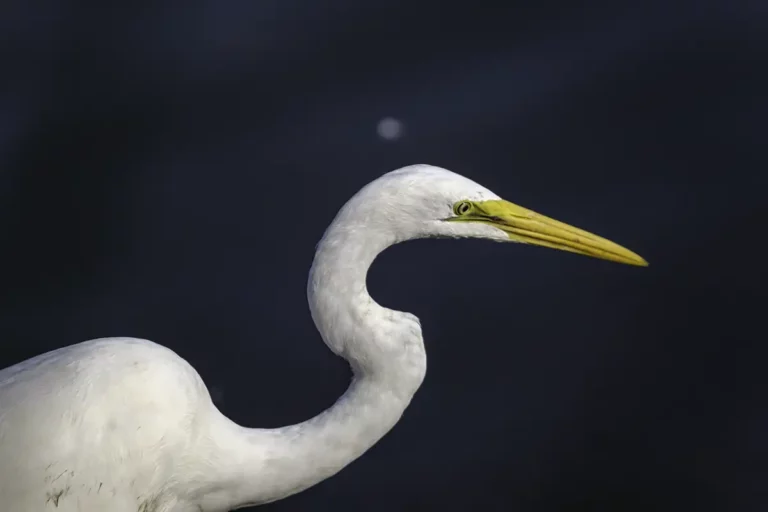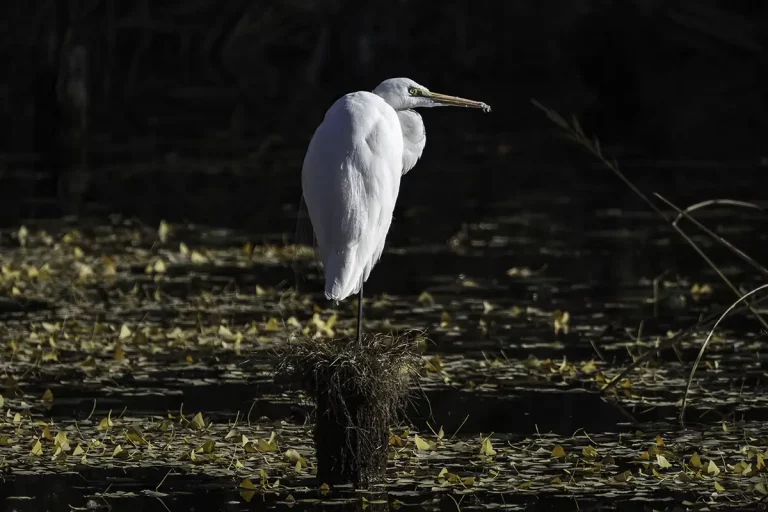
Falconry at Hama Rikyu Gardens (January 2020)
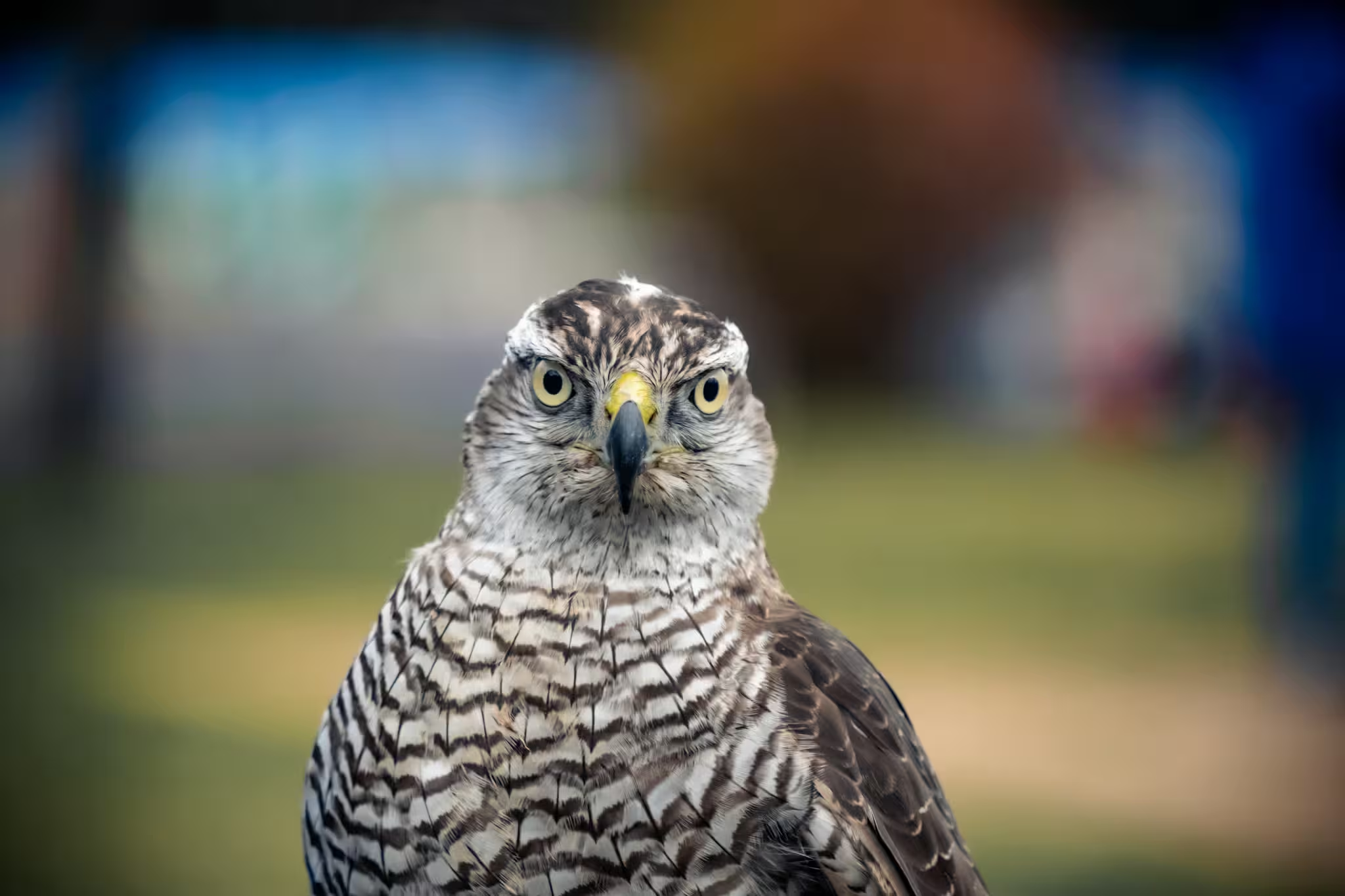
Every January, the ancient sport of falconry returns to Tokyo’s Hama Rikyu Gardens. It’s a nod to history, as Japan’s shoguns once used these grounds to hunt ducks with their prized birds. While those times are gone, falconers who keep the tradition alive showcase their skills over a two-day event. In 2020, I went to photograph the display.
Unfortunately, my warm bed won the battle that morning, and my old body resisted the call to wake up. By the time I arrived, the pre-show Aikido display was over, and a crowd of about 2000 people had already gathered. Luckily, the weather was perfect, with only slightly overcast skies.
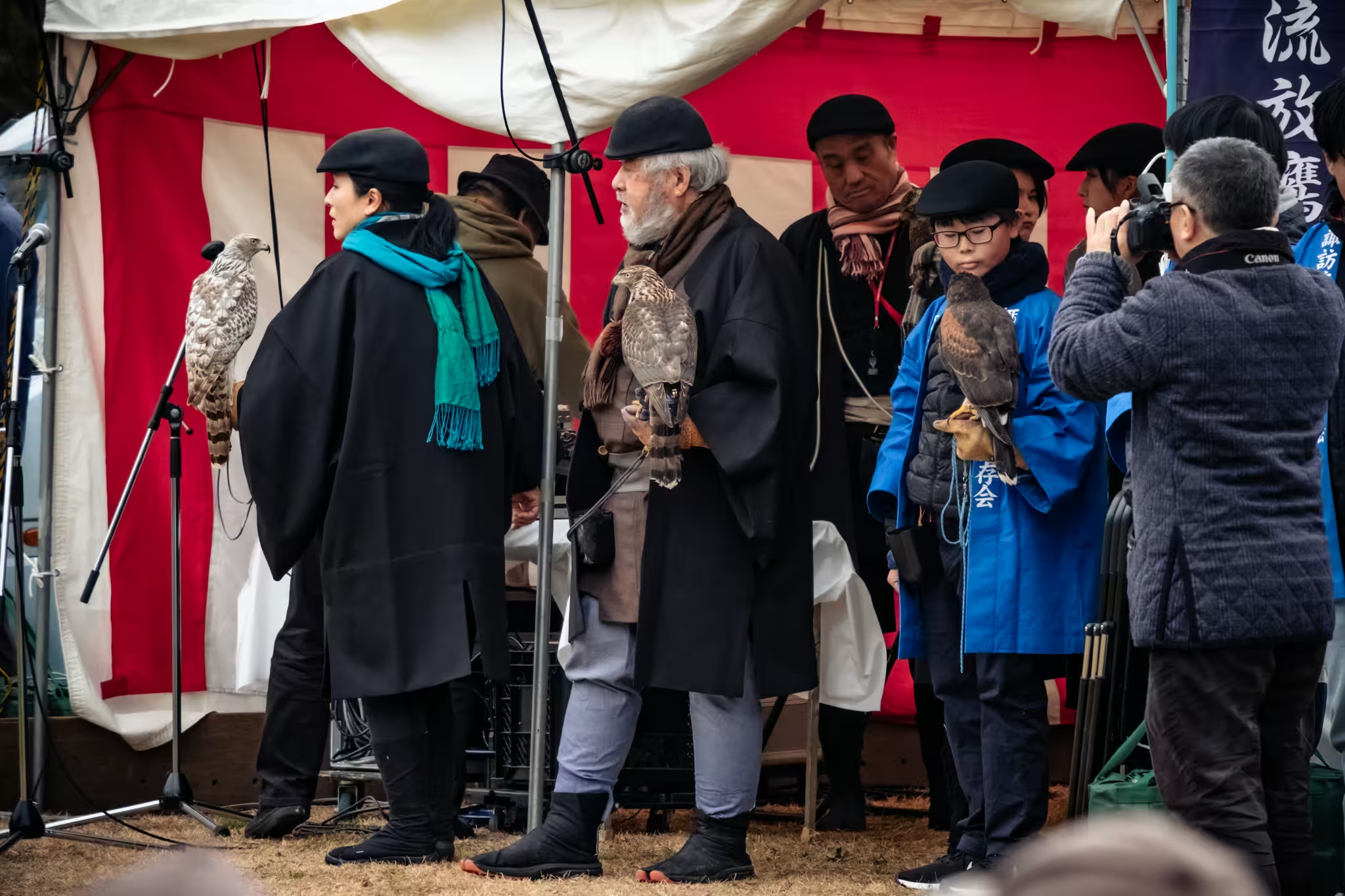
Trainers started the show by walking the field’s perimeter, falcons perched firmly on their arms. Spectators got a good look and took photos. After that, the main display started, where the birds put on a fantastic show of their hunting skills.
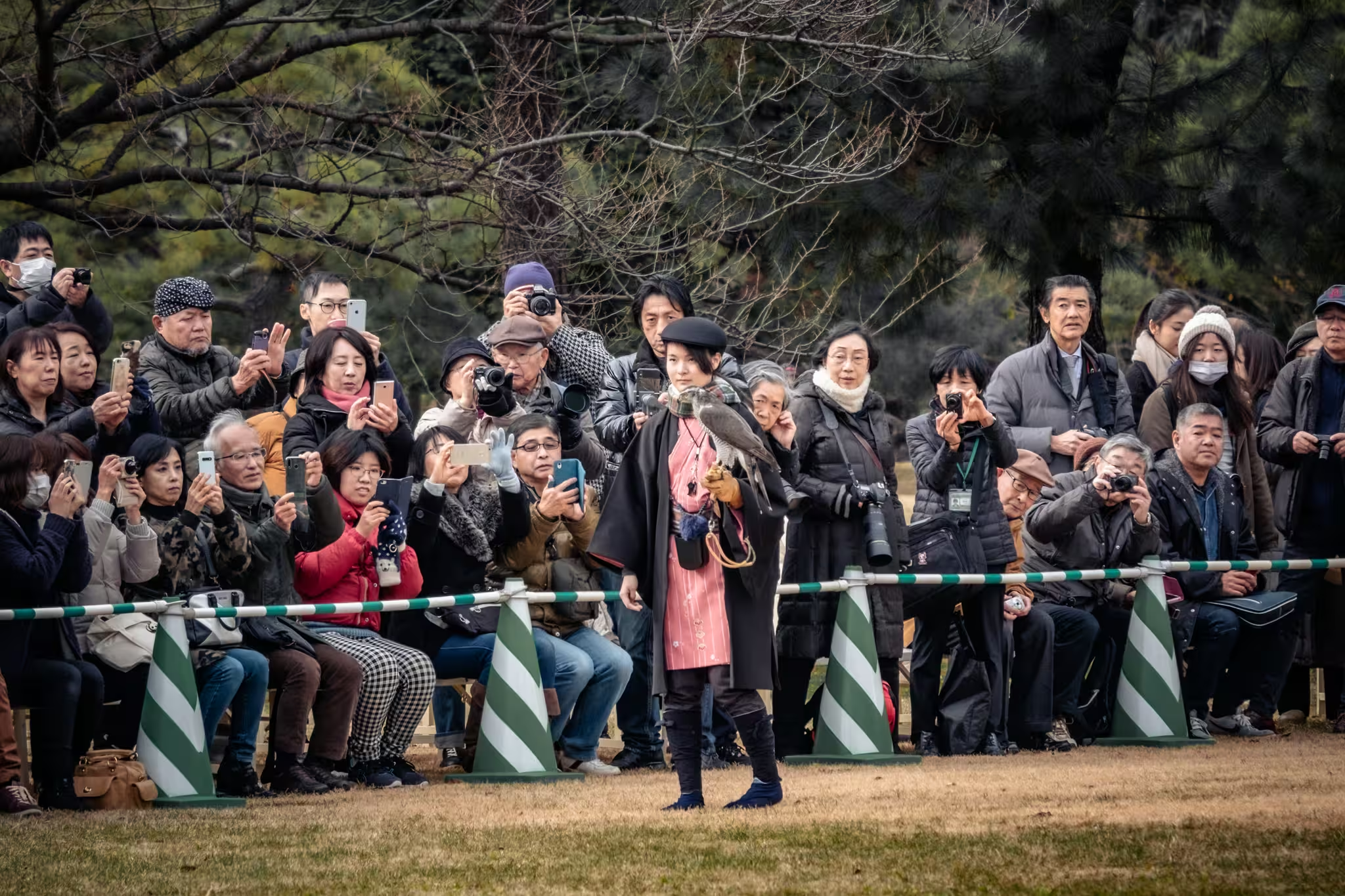
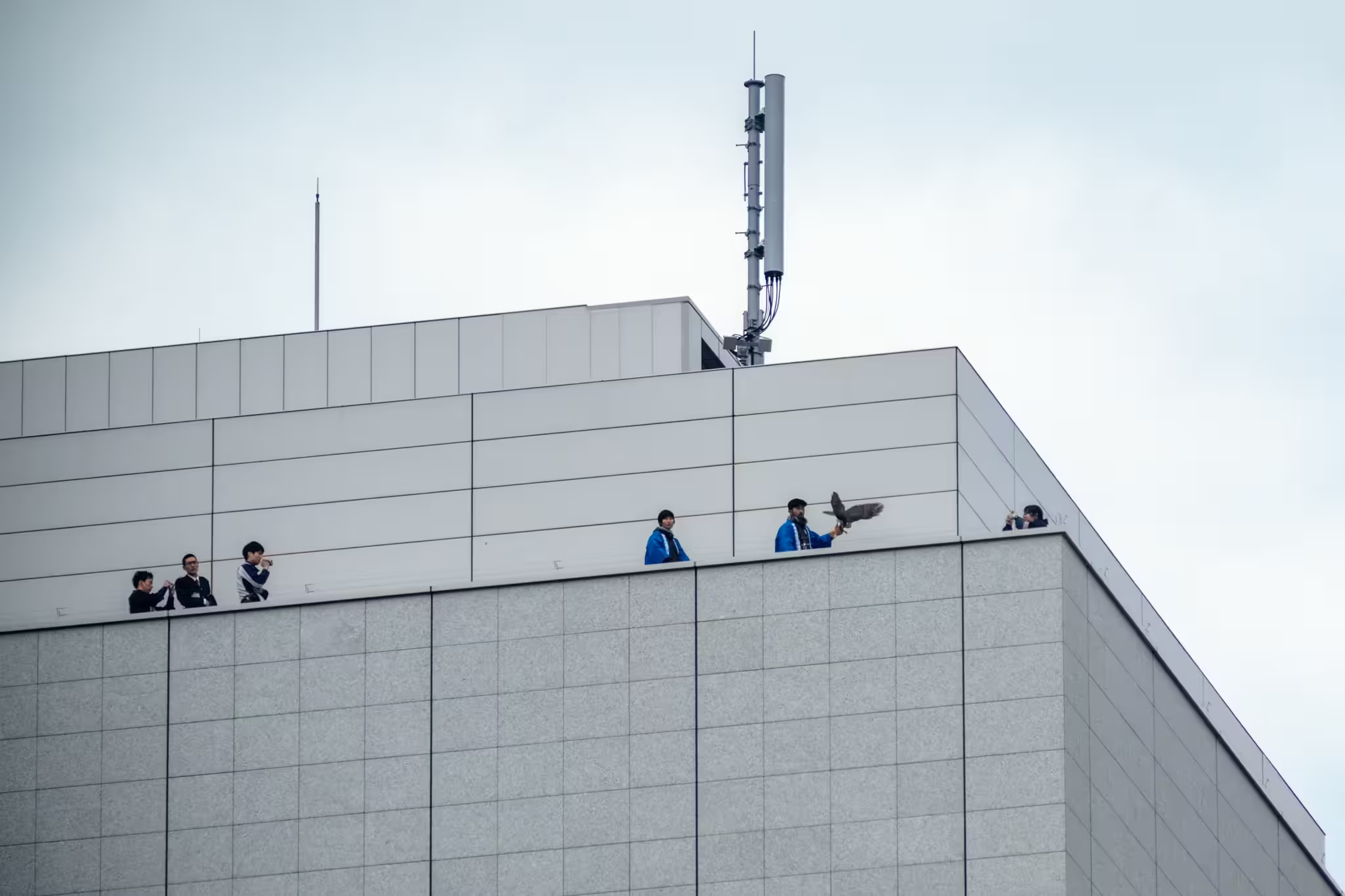
The highlight was a stunning demonstration of a falcon’s discipline, eyesight, and hearing. When signaled, it flew from the top of a ten-story building about five hundred meters away to hit a simulated target in the park. The feat impressed everyone, and they showed it!
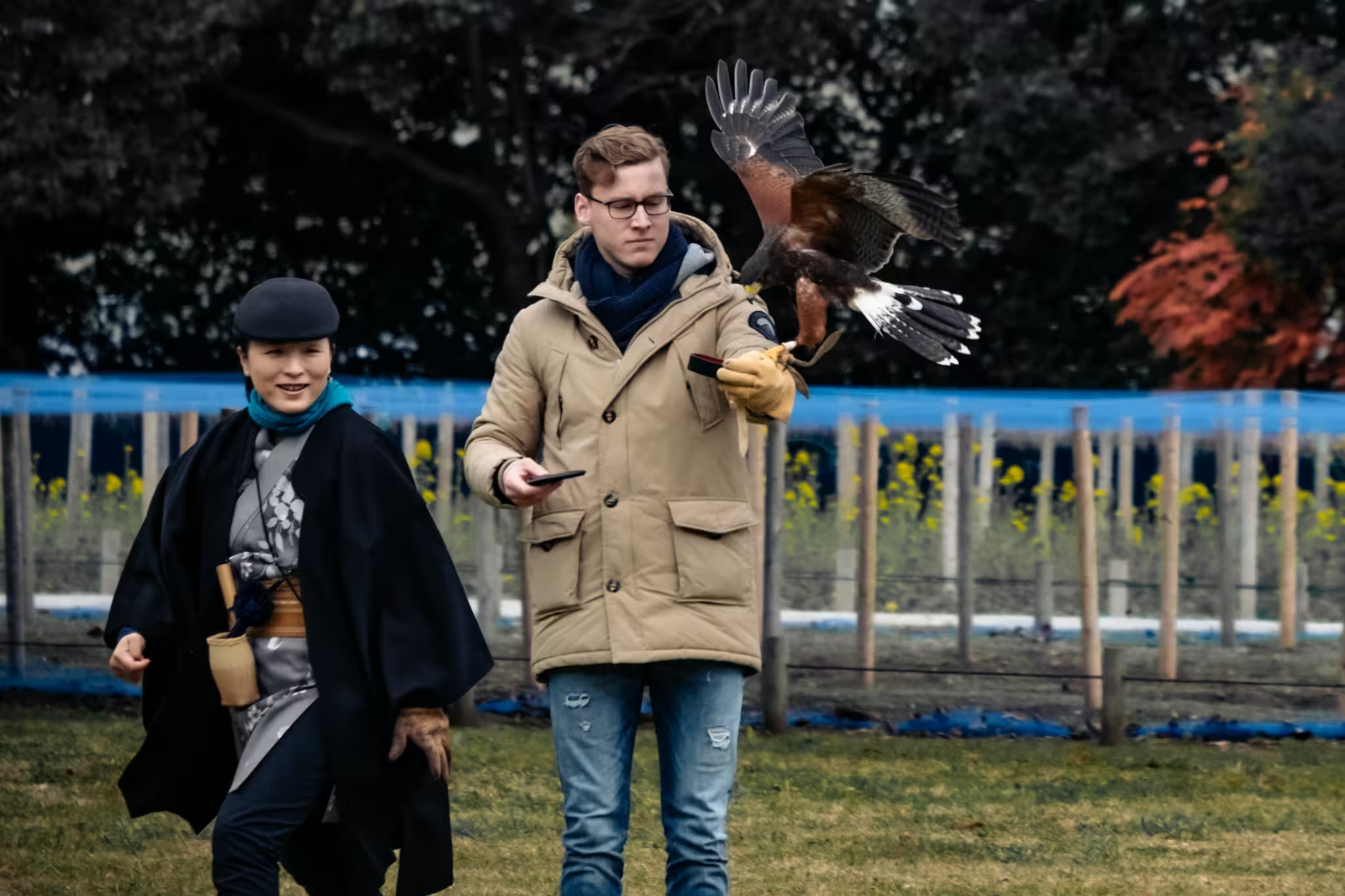
Even the crowd got involved. Three lucky people were picked from the audience and given quick instructions. After donning the gauntlets, they looked thrilled as they each got to receive a bird and send it to the next person.
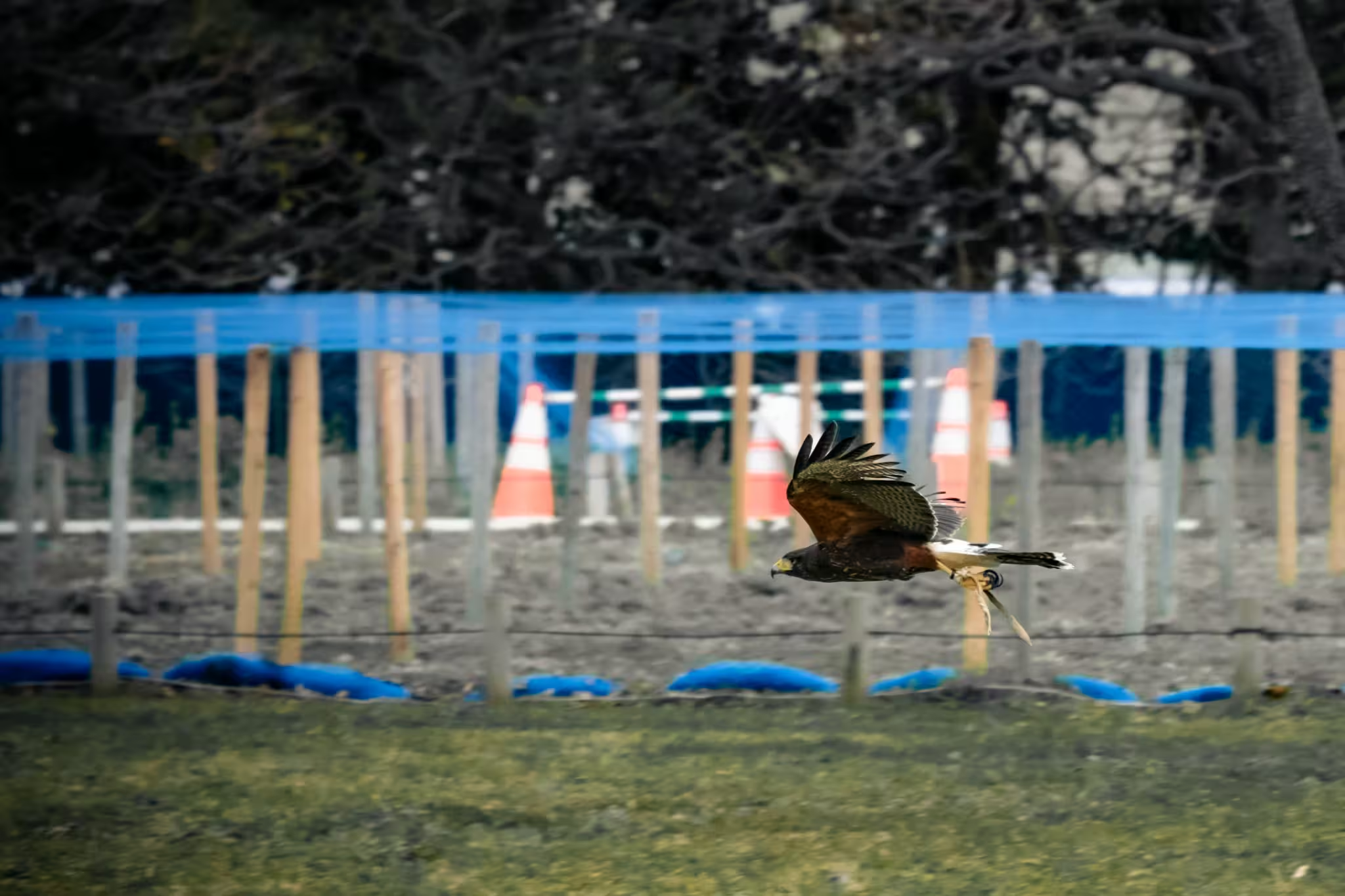
The day wasn’t without incident, though. One bird, misunderstanding a signal, flew off prematurely and struck a girl in the back of the head. I’m sure she got a shock, but thankfully, there was no damage to her or the falcon.
Tips for attending the Hama Rikyu Falconry display
Here are a few tips based on my experience to help you make the most of your visit.
Planning your visit
Arrive early: This is my number one tip. With crowds of 2000 people, the best viewing spots along the ropes fill up fast. Getting there early is vital, especially if you want to take photos without shooting over people’s heads.
Know the schedule: The falconry is part of a larger New Year event, often with an Aikido demonstration beforehand. Always check the official Hama Rikyu Gardens website for the exact dates and times.
Getting there: The Yurikamome Line’s Shiodome Station is closest to the park. You could even walk 15 minutes from the larger Shinbashi Station which is on the Yamanote Line.
Where to stand: For the best view, try to get a spot near the front ropes. Be prepared for competition—keen bird photographers will race to grab them!
What to take: Remember, it’s January in Tokyo, so dress in warm clothes. A little patience for the crowds also goes a long way.
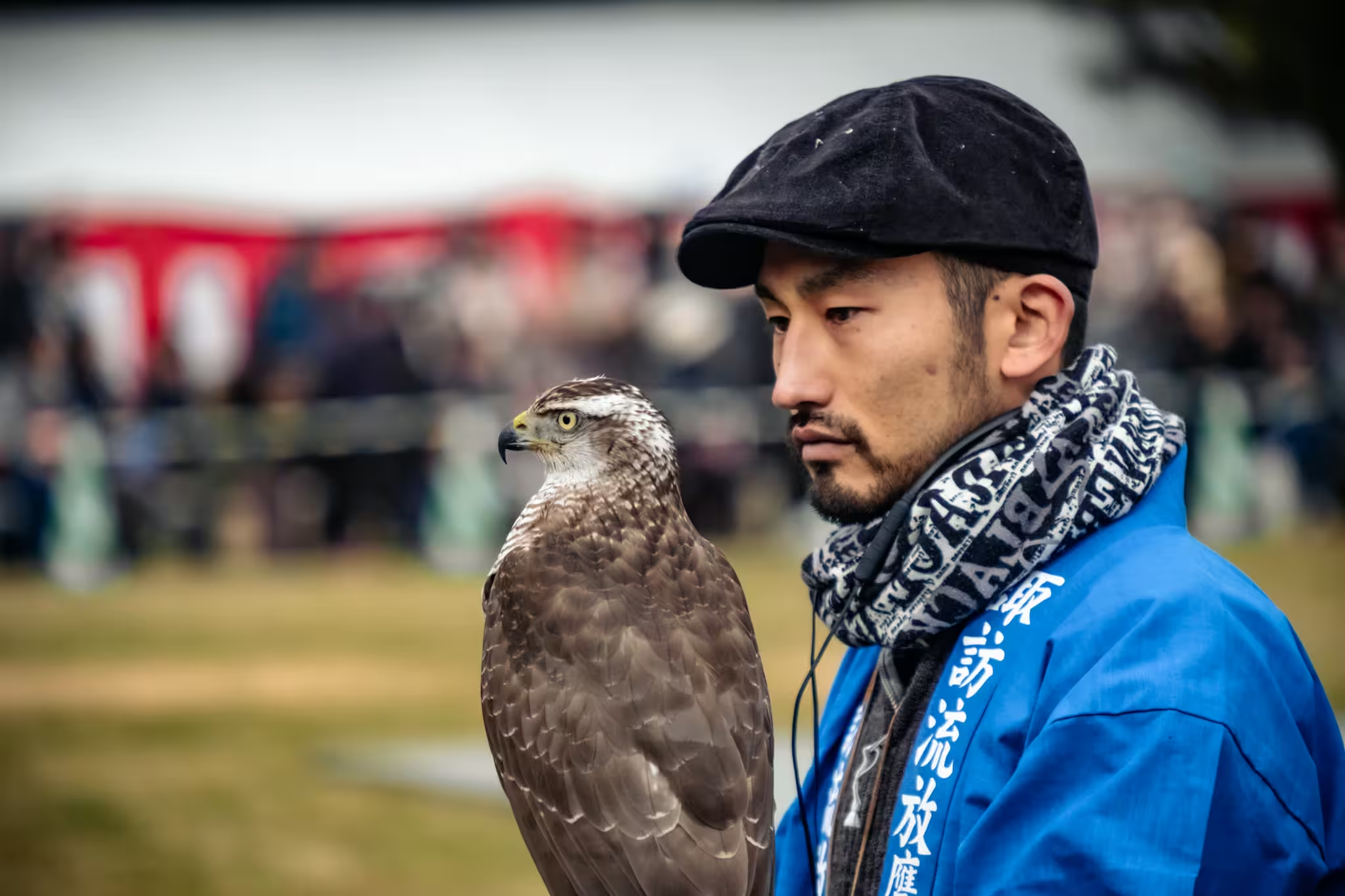
Tips for Falconry & Bird Photography
Take a long lens: I used a Fujifilm 55-200mm, and it was too short. Falcons are small and fast, so you need more reach. I’d recommend a 100-400mm lens or longer to capture them in flight.
Anticipate the action: You’ll get no warning when the birds take off. Try to watch the falconers’ signals to predict when things will happen.
Use your camera’s best AF: Tracking these birds is a challenge. Modern cameras with Animal Eye Detection AF will be a huge advantage.
Don’t forget the static shots: If you struggle to capture the birds in flight, don’t worry! There are many chances for great photos on the ground during the procession at the start and after the event. Be patient.
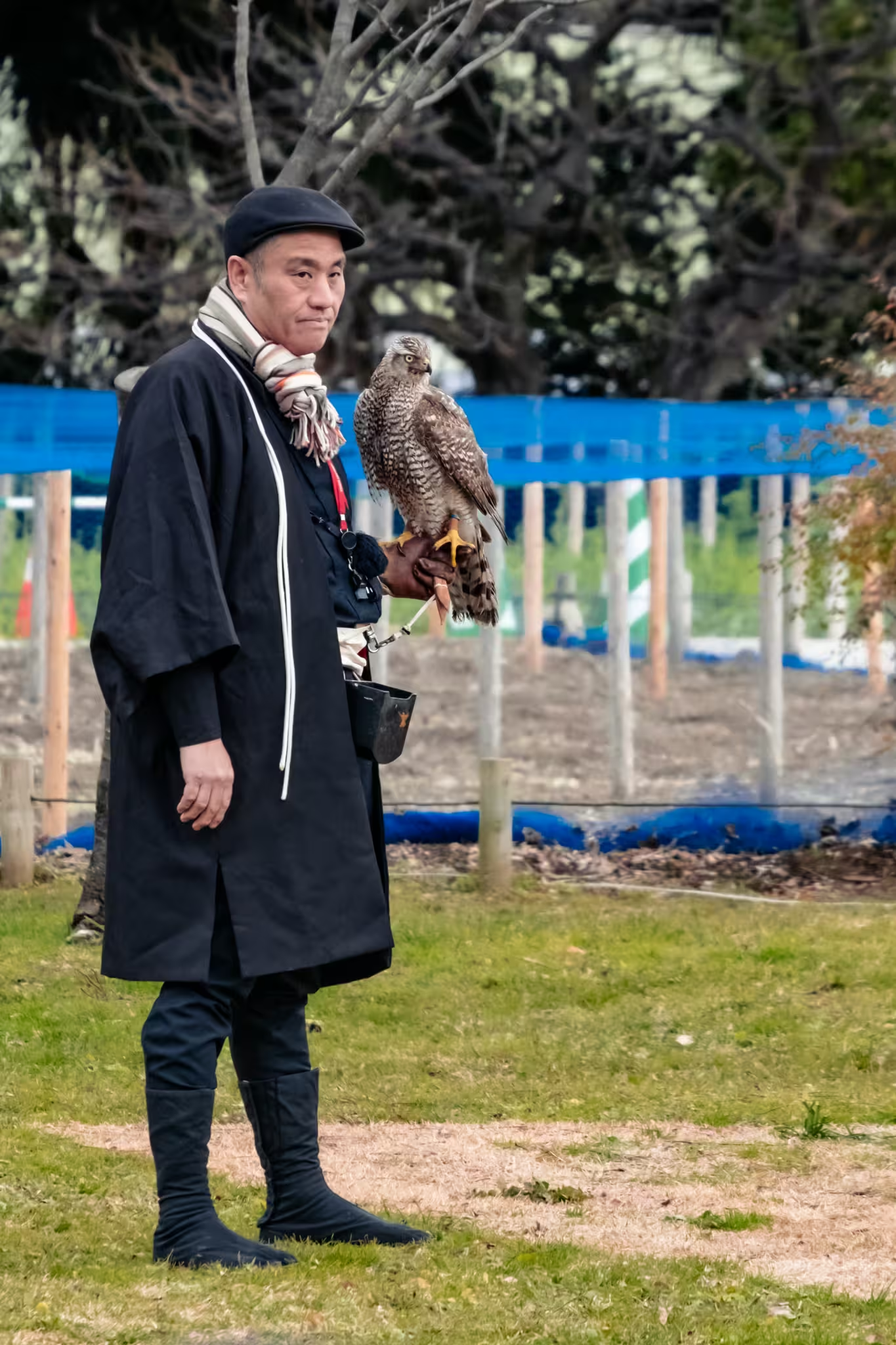
Explore the rest of the park
After the show, take the time to explore the rest of Hama Rikyu Gardens. It’s a beautiful landscape park with a tidal pond, a 300-year-old pine, and a lovely teahouse on an island that is well worth a visit.
Is the Hama Rikyu Falconry display worth it?
If you visit Tokyo over the New Year’s period, you should absolutely see this event. Witness these wonderful birds for yourself. And the park itself is beautiful, worth a visit any time. Please put it on your Japan travel itinerary!
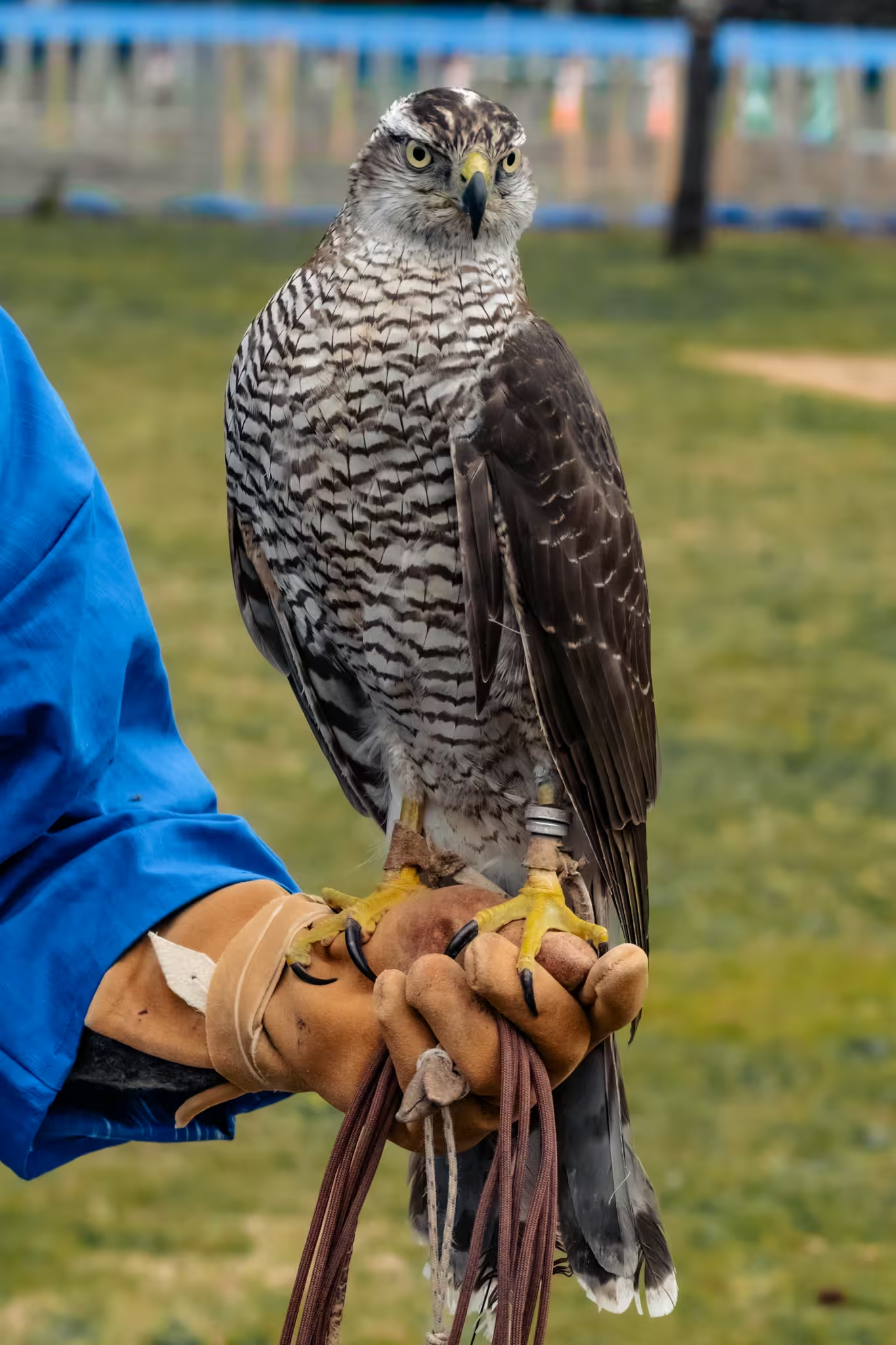
Have you ever seen falconry in Japan? What did you think of it? Leave your thoughts in the comments below.
Hama Rikyu Gardens Falconers
The birds and trainers were from the Suwa Falconry Preservation Society. See its official Japanese website here.