Seeing Mount Fuji From Tokyo: Visibility Guide & Tips
How hard is it to see Mount Fuji? Many online sources say that the mountain is rather shy, only visible for 20% to 30% of the year. While it is one of the world’s most famous landmarks, it often stays hidden from Tokyo. Let’s talk about why seeing it is kind of rare when those “visible days” actually occur.
How hard is it to see Mount Fuji from Tokyo?
The mountain is always there, of course. But the atmosphere can act like a curtain so the visibility changes depending on the month:
- The winter window (November – February): This is when your odds are highest. On a crisp, cold day in December or January, visibility from Tokyo jumps to about 70–80%. The air is dry and the wind blows away the city’s smog.
- The summer blackout (June – August): This is when the 20–30% average takes a hit. In the summer, visibility drops to roughly 10% or less. Humidity and “heat haze” create a thick white veil, and it is very common for tourists to spend a week in Tokyo without ever realizing the mountain is visible from the city. I have seen Mount Fuji during the hottest months of the year, and it looks beautiful. So, the situation isn’t without hope, but don’t pin your hopes on it happening during your visit.
- Spring and autumn: These are transition months where visibility sits at a coin-flip, roughly 40–50%.
The best time to see Fujisan from Tokyo
Even during the months when visibility is “high,” it rarely stays visible all day. Mount Fuji is notoriously shy after lunch:
- Morning (6:00 a.m. – 9:00 a.m.): This is the “golden window.” The air is still cool and stable.
- Afternoon: As the sun warms the ground, moisture evaporates and creates “convection clouds.” By midday, even on a sunny day, the mountain often hides behind a self-made wall of clouds, even if the rest of the sky is blue.
Why can’t I see Mount Fuji?
There are two main reasons why it is “hidden” for 70% of the year:
- Atmospheric Haze: Because Tokyo is 100km (62 miles) away, any moisture in the air is magnified over that distance. On humid days, the water vapor acts like a frosted glass window, making a giant mountain look like a faint, gray shadow or invisible.
- Lenticular Clouds: Mount Fuji is a “standing” peak, meaning there are no other tall mountains nearby to break up the wind. As wind hits the mountain, it is forced upward, where it cools and condenses into clouds. This means Mount Fuji can actually be covered in clouds even when the sky over Tokyo is perfectly clear.
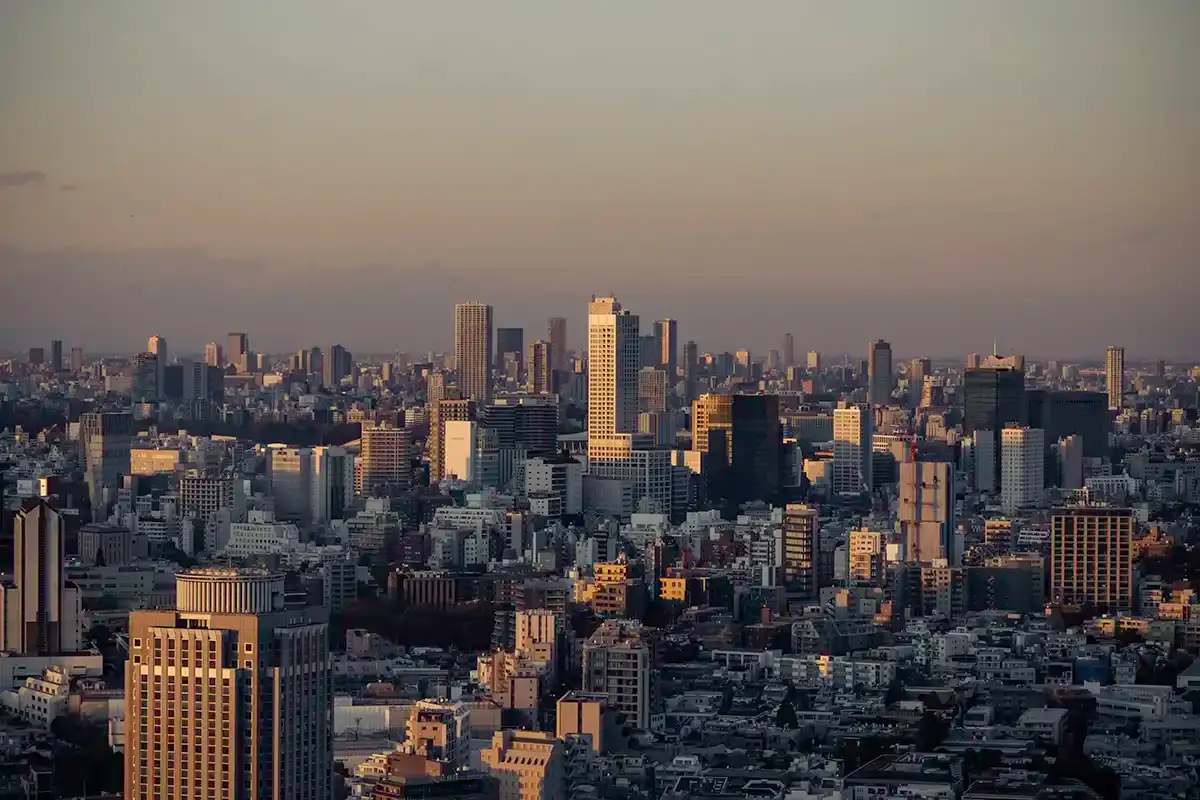
I broke my streak of bad luck!
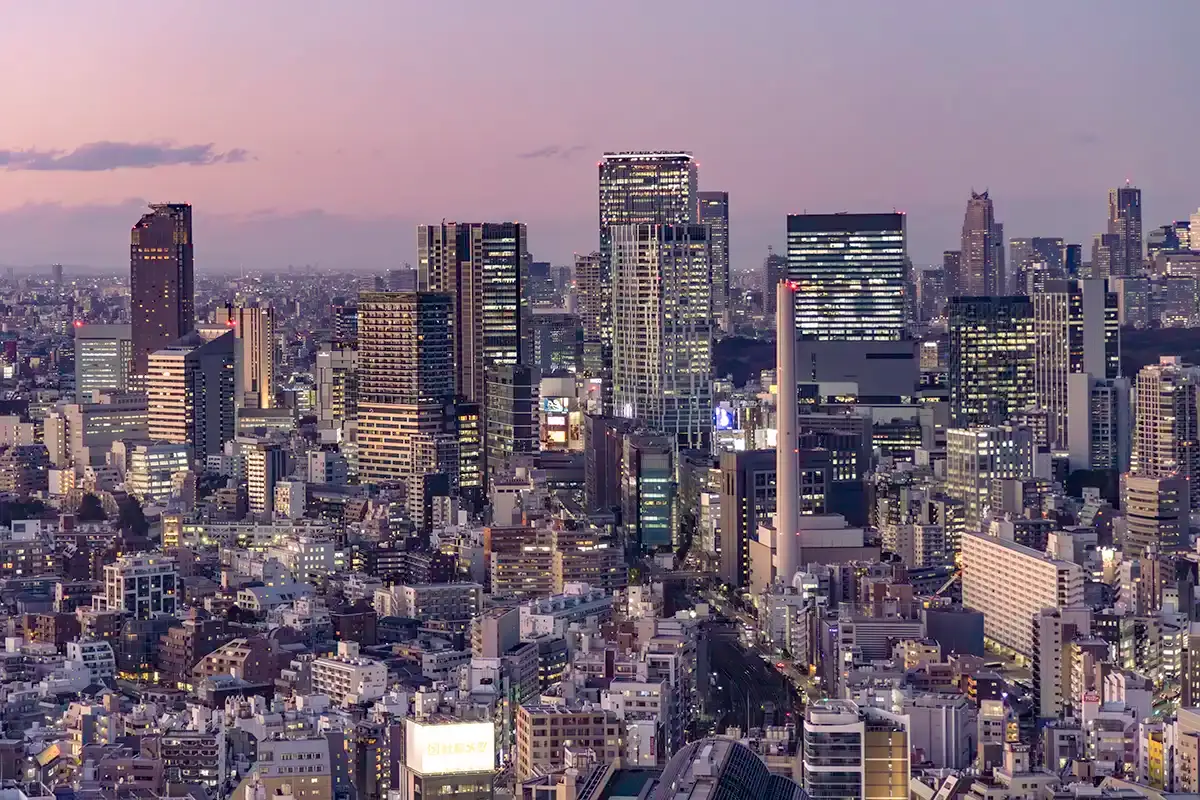
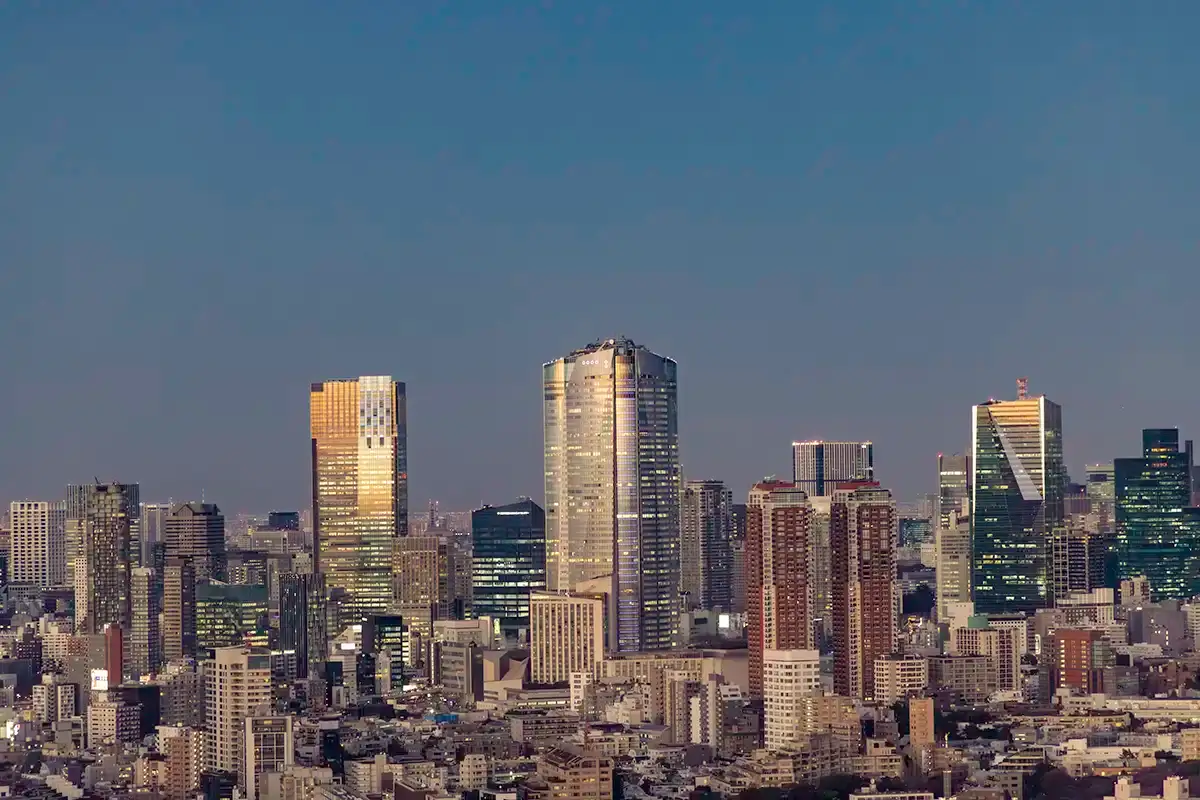
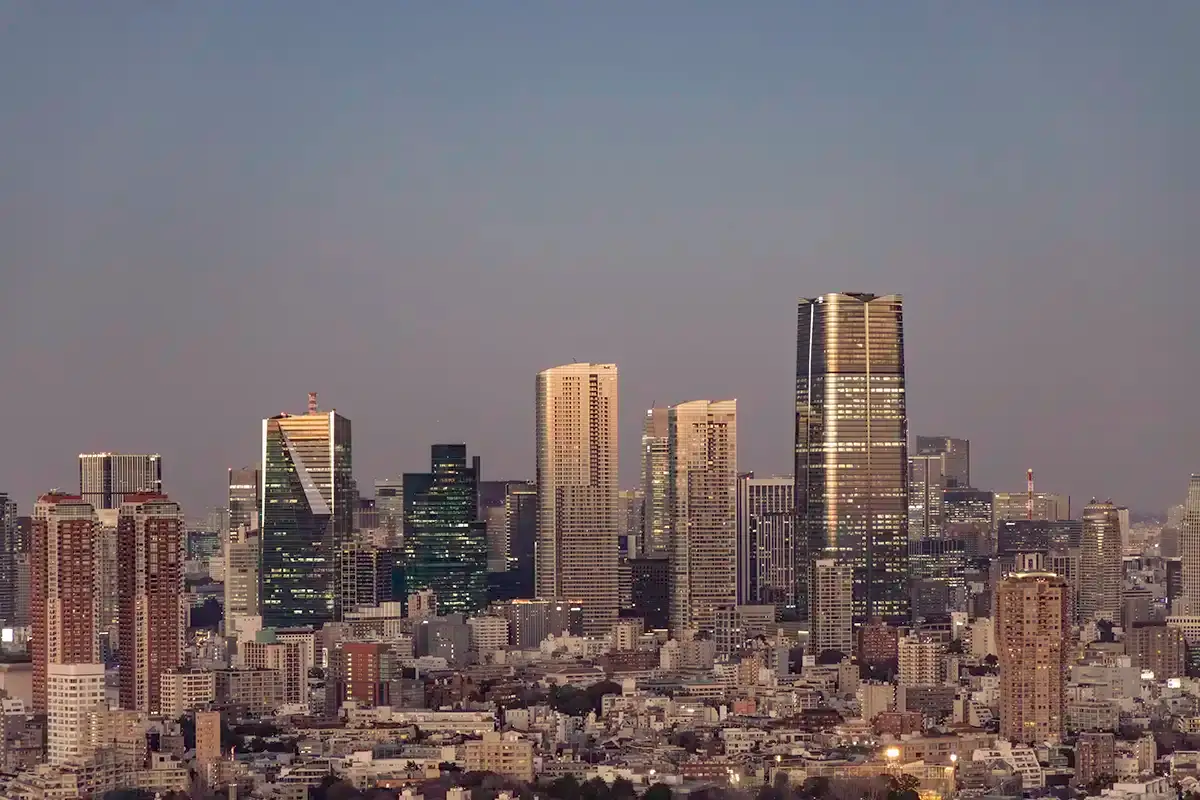
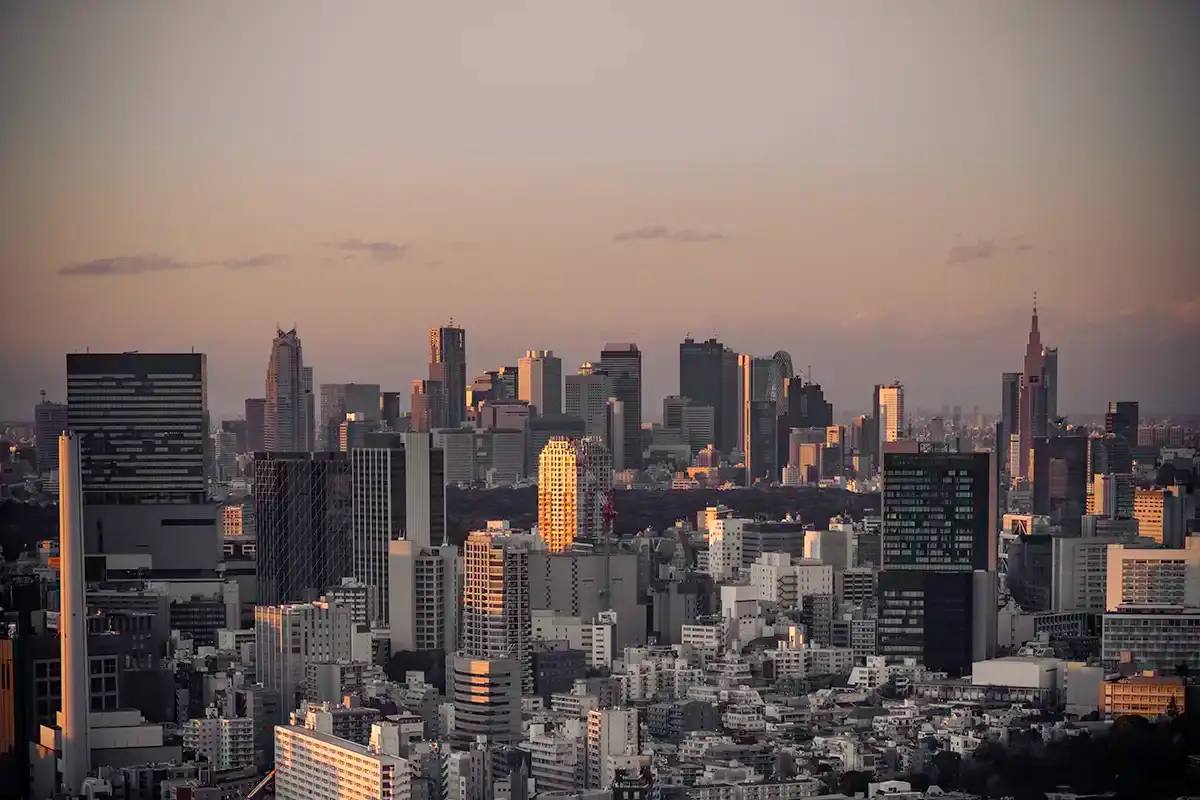
So where is this blog post leading to? One of my favorite spots to photograph Tokyo is Yebisu Garden Place Sky Lounge, 38 floors above the ground in the Yebisu Garden Place Tower skyscraper. It’s not a true observatory but it has some large windows. I’ve lost count of how many times I’ve visited it. There are some articles about it on the blog. It’s a great place for shots of Tokyo Tower, Azabudai Hills, Shinjuku and Shibuya. People also say it’s great for Mount Fuji.
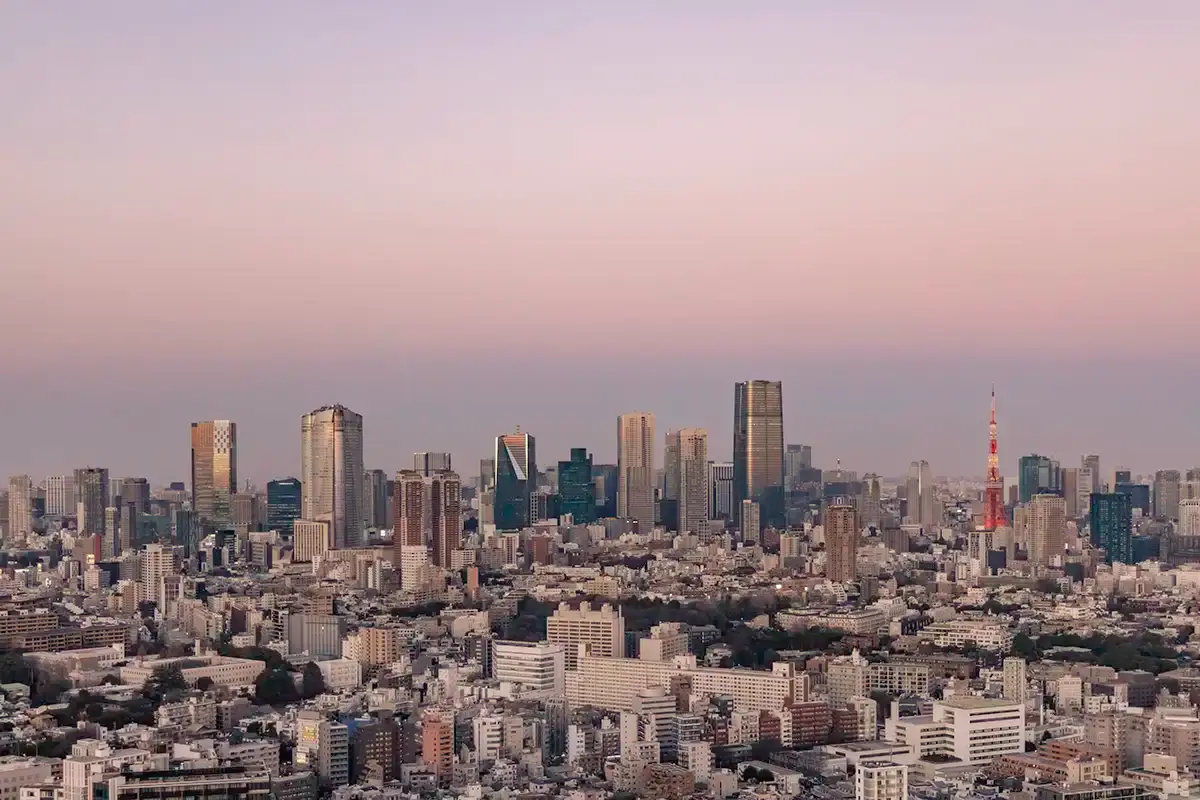
Well, I’ve never seen Mount Fuji from its windows until now. For roughly thirty years I had a perfect record. Absolutely zero sightings of the famous mountain. That must surely be some type of record!
On my most recent visit, when I first got to the building, the mountain was shrouded in cloud, as is often the case. I thought Fuji was a lost cause so I went to photograph the usual suspects, Tokyo Tower, Azabudai Hills, and Roppongi Hills.
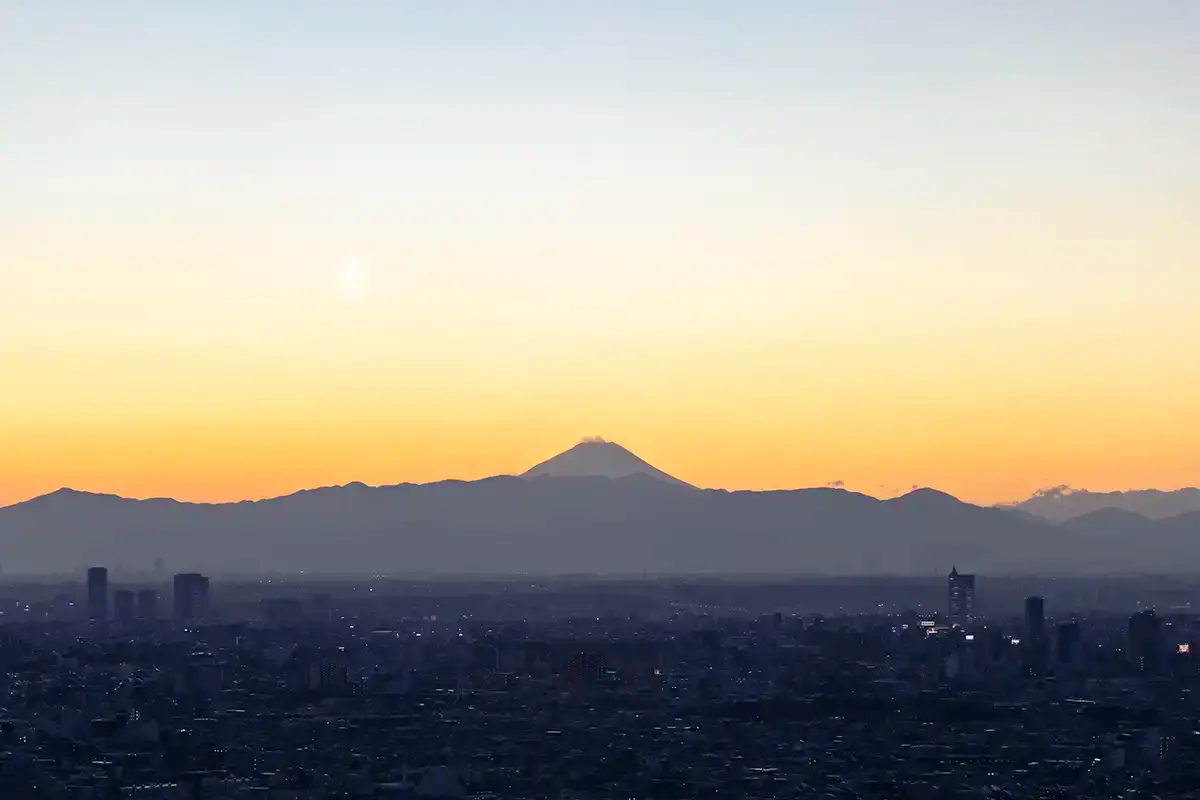
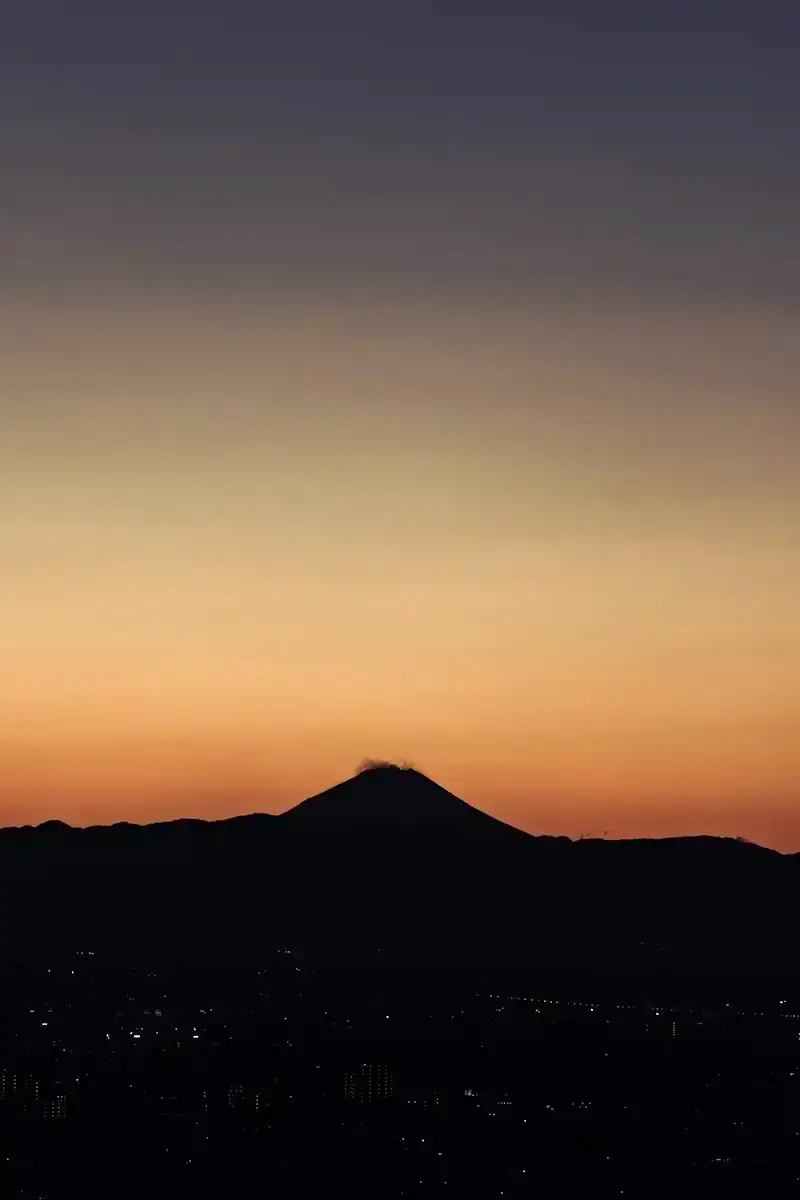
Later, I returned to the western windows to see the conditions. The sky had started to clear and I decided to wait. I squinted my eyes and saw the sides of the mountain through the clouds. Eventually, it revealed itself. Mount Fuji revealed itself! Yes, it was backlit so I only captured the mountain’s silhouette which was beautiful. I consider myself lucky. Things could easily have gone the other way and I could have ended up with nothing.
How to avoid disappointment
- Check live webcams: Before heading to an observatory, search for “Mt. Fuji Visible Forecast” to check live webcams from Lake Kawaguchi or the Fuji City Hall. If the mountain is clear there, you have a fighting chance in Tokyo.
- Use the “Dehaze” tool when processing: If you process your RAW files in apps such as Lightroom, the “Dehaze” slider in Lightroom is your friend. It can cut through the atmospheric moisture and bring out the contrast of the mountain that your eyes might have missed.
- Be Patient: As I learned at Yebisu Garden Place, weather conditions change in minutes. If you see even a hint of the mountain’s silhouette, stay put. The wind at 12,000 feet moves fast.
- Keep trying. There is always another day.
Have the best camera gear for the photo
When the mountain finally appears, you want to be ready with gear that can handle the distance. After all, it is 100km away! The 45-megapixel sensor of my Canon EOS R5 was perfect for this because even though its RF 24-105mm F4 L IS USM lens doesn’t have the greatest reach I could crop deeply to make Fuji a reasonable size.
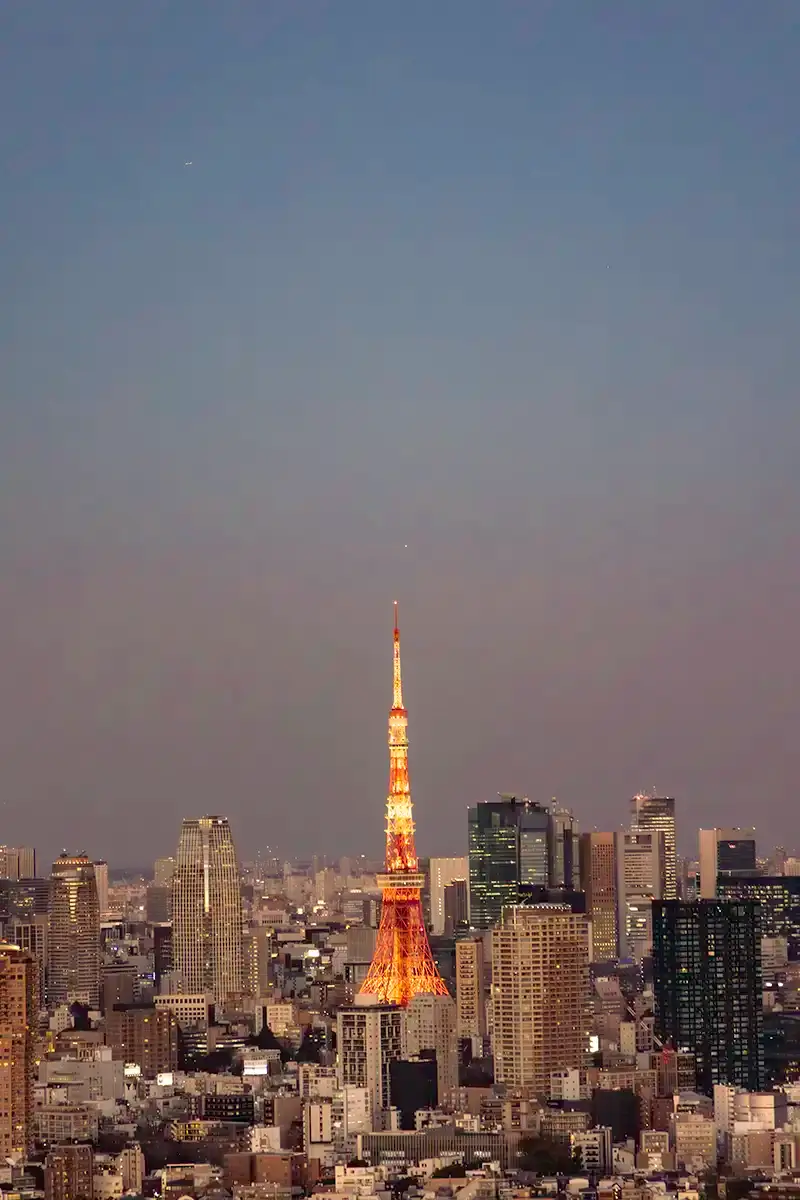
So some photographers might think the longest lens will be best. That’s not always true because you need to think about the composition. Do you want to zoom in or do you want to include the vastness of the city in your foreground? Think about that before you stuff your camera bag with heavy gear.
Embrace Tokyo regardless
Even if you don’t see Mount Fuji from Tokyo, don’t worry. The city’s observatories give you superb views of iconic landmarks to keep you entertained. That made my visit special because I got the best of both worlds. The weather was perfect for the city and the mountain.
Date of Photos: 13 January 2026
Rohan Gillett
Rohan has photographed Tokyo since 2011. He shoots it with his Canon EOS R5 these days. The project will take more than one lifetime to complete.