Tripods at Tokyo Imperial Palace
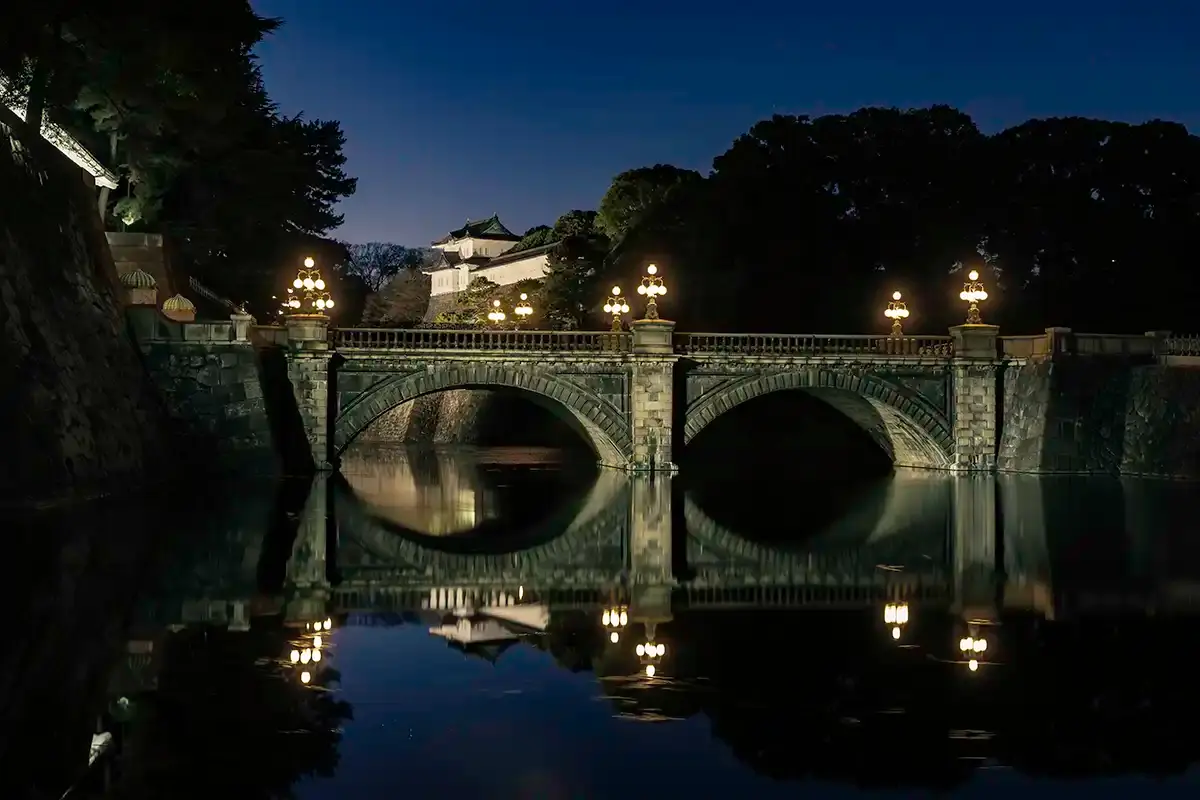
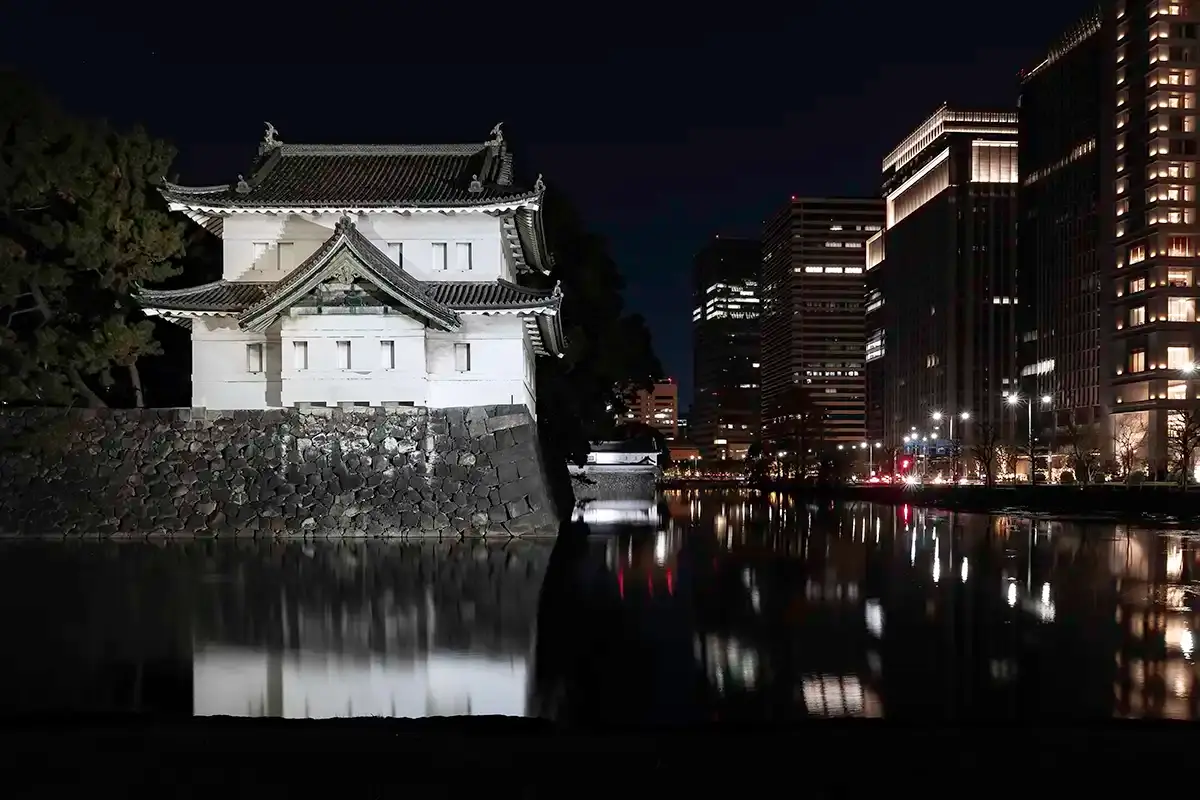
The air on the evening of 28 December 2025 wasn’t so cold, about 11°c. As the sun dipped below the horizon, the stone walls and bridges of Tokyo Imperial Palace began to glow, reflected in the dark, quiet moat. I stood there, waiting for the lights to come on. Carrying a bag filled with camera gear and a tripod isn’t something I enjoy, but I felt the extra burden was a small price to pay for the benefits they provided.
The limitations of handheld shooting
This was my second visit to the Tokyo Imperial Palace Winter Light Up. Looking back at my practice from December 2024, I remember a different feeling: one of frustration. That year, I shot handheld, as I didn’t want to carry a tripod on an hour-long train ride.
That 2024 evening taught me a lesson. The wind had disturbed the surface of the water, and without the ability to use a long exposure, the images lacked the quality I had hoped for. Even as I pressed the shutter that night, I knew I had made a mistake. I had prioritized the comfort of my commute over the requirements of photos. A tripod was a necessity.
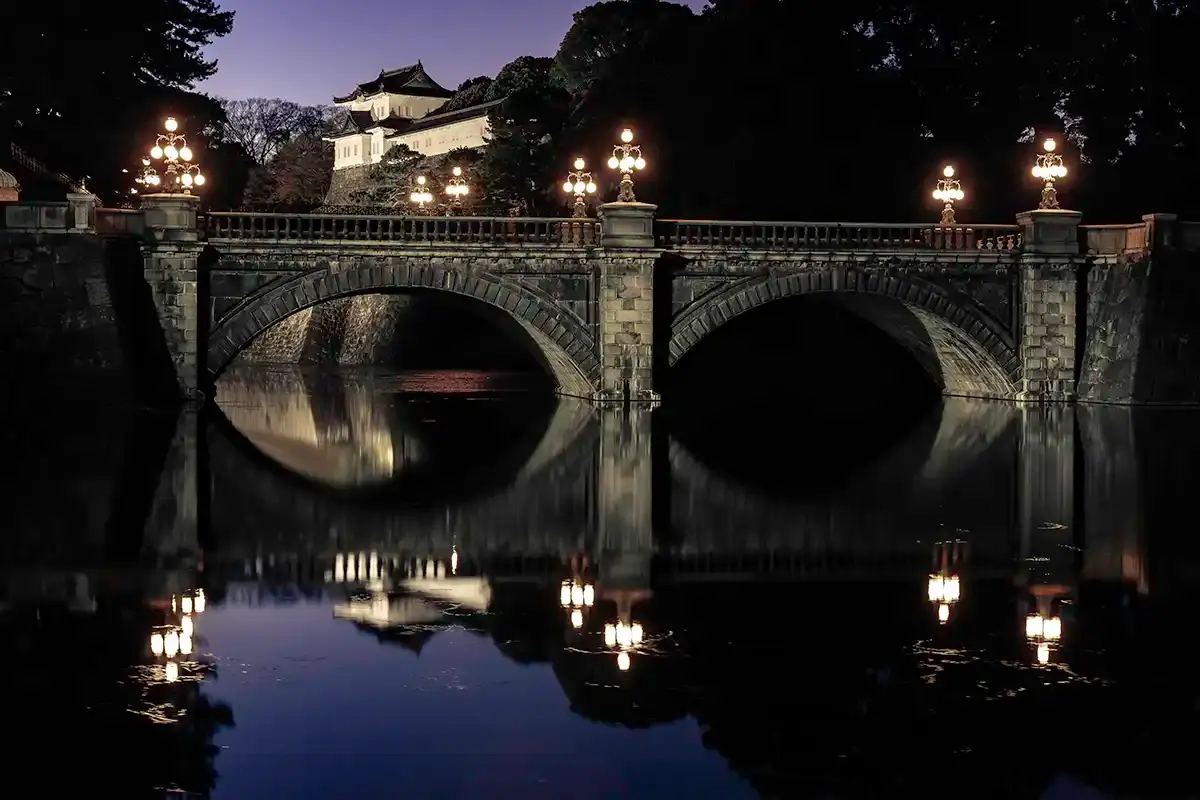
A tripod gave me stability
Returning in 2025, I made a commitment to doing things right. Carrying a tripod on Tokyo’s rail lines is rarely an elegant affair; the weight and bulk can feel intrusive during the rush. However, as I set up my gear near the palace gates, that earlier anxiety vanished.
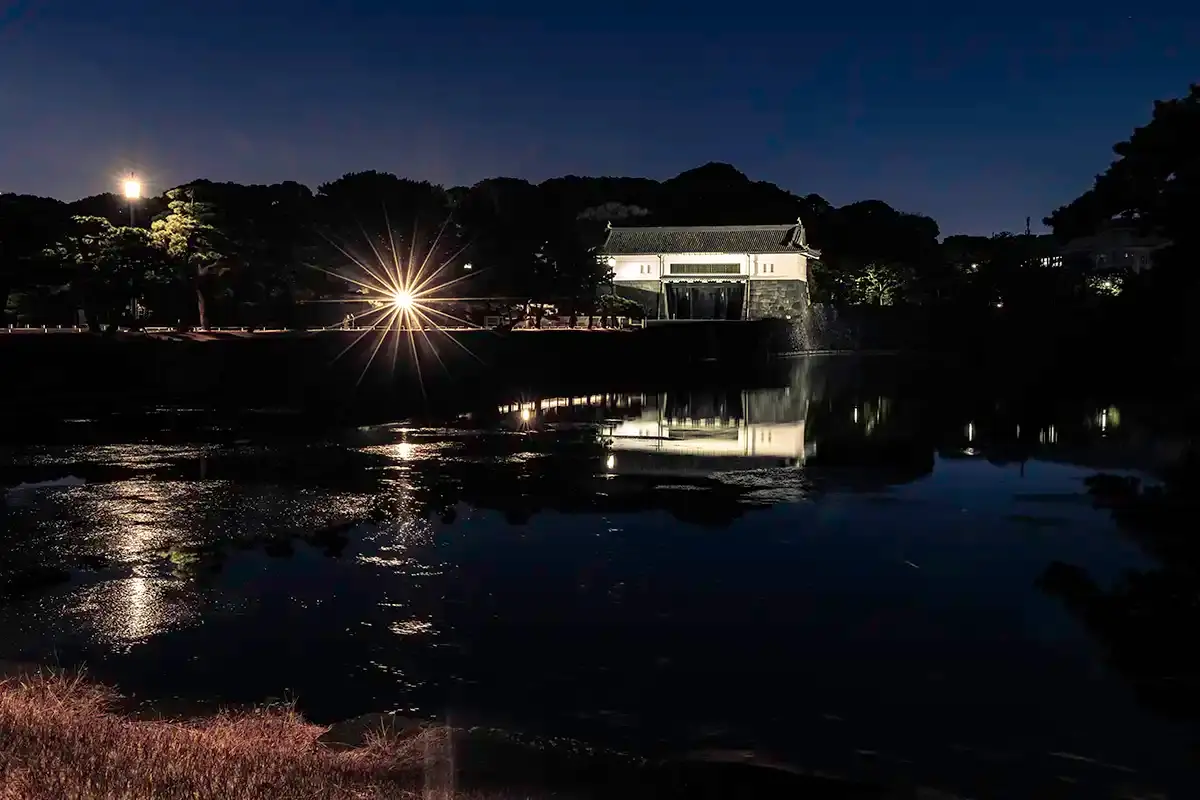
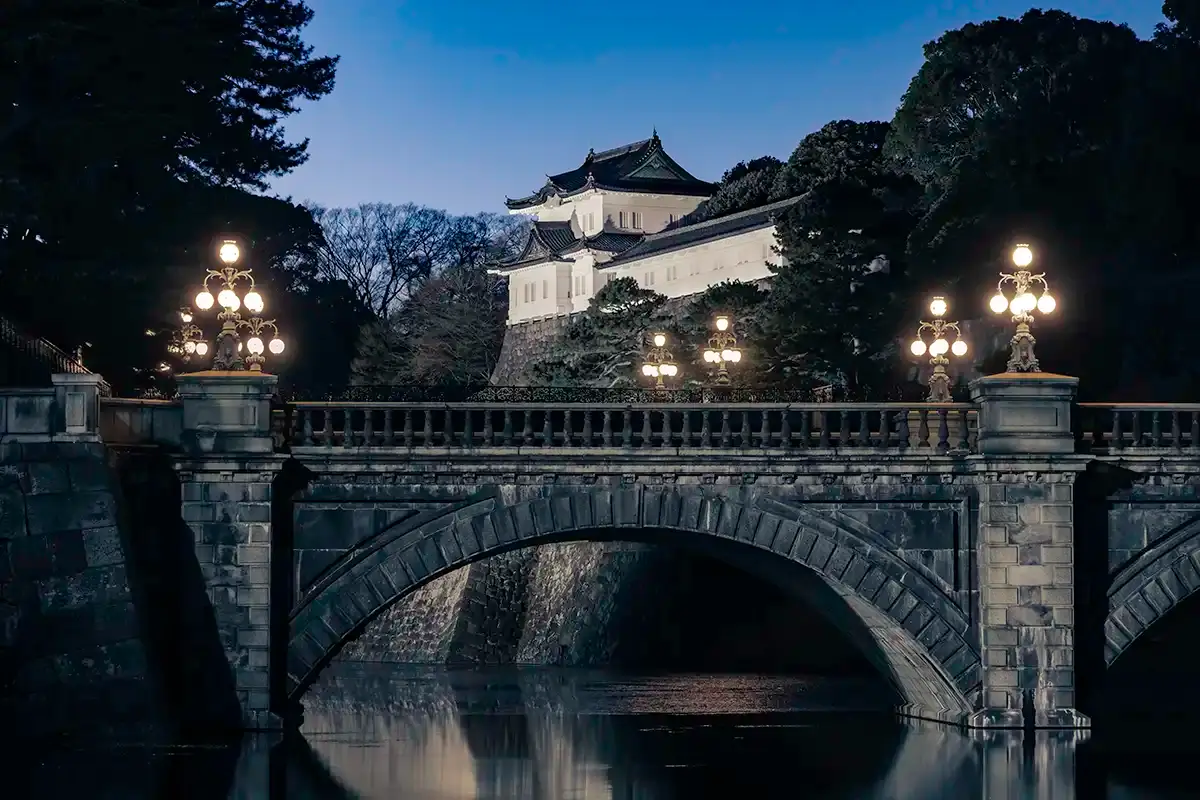
The tripod took my worries away. It was a stable platform for my camera that allowed me to take long exposures. Except for a few areas, the water surrendered its ripples, becoming a dark mirror for the illuminated architecture. The reflections were sharp and pronounced, that handheld shots could never replicate. In this practice of night photography, I am learning that patience is often a physical weight you must be willing to carry.
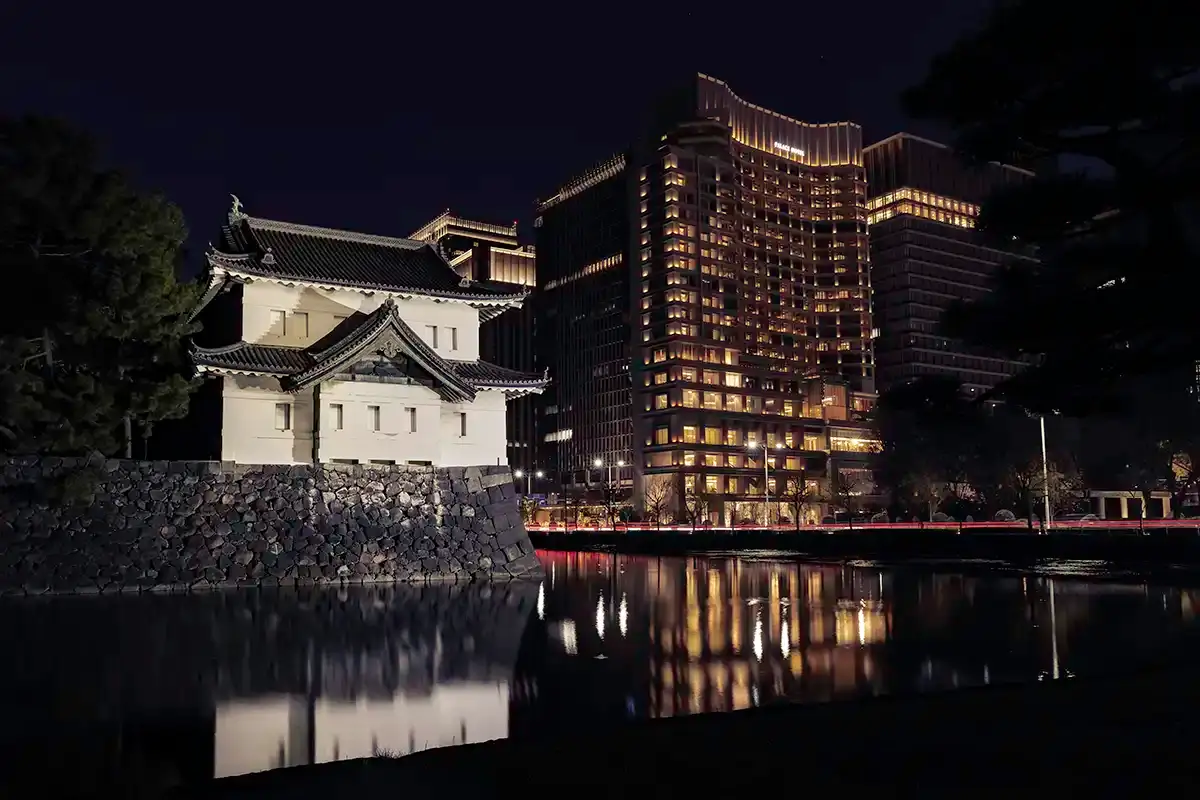
An iPad became my cable release
In lieu of a traditional cable release, I used my iPad. Hooking it up to the camera by WIFI via the Canon Connect app made things simple. The larger screen was a godsend for my poor eyes. Controlling the camera remotely from the tablet ensured that even the slightest tremor wouldn’t disturb the exposure. It was a good setup, so easy to use.
Photography gear and etiquette on trains
The return journey was surprisingly peaceful. As it was the end of the year, the train carriages were largely empty, a rare occurrence in this city. I placed my bags in a corner and stood watch over them, ensuring my presence remained as unobtrusive as possible.
This is one thing I will comment on. You mightn’t be so lucky and have an empty train. Yours might be crowded. So be careful of carrying backpacks on your back. You can’t see who is behind you and they won’t appreciate being knocked around by your bag. The best idea is to carry them on your chest. Some train lines even have stickers on carriage walls showing this.
Lessons from Tokyo Imperial Palace
Once home, I realised the extra weight of the tripod and gear wasn’t as physically fatiguing as I thought it would have been. That was probably thanks to me increasing the amount of daily exercise I do recently.
Furthermore, had a sense of quiet accomplishment. This visit to the Tokyo Imperial Palace Winter Light Up was not about achieving a final state of skill, but about the neverending learning process. It was a reminder that the quality of our work is often found in the preparations we are most tempted to skip. By choosing to carry the extra weight, I found a way to truly see the light.
Hopefully, the Imperial Household Agency will hold the event next year. I have some ideas about the next set of photos for this event.
Rohan Gillett
Rohan has photographed Tokyo since 2011. He shoots it with his Canon EOS R5 these days. The project will take more than one lifetime to complete.