

An Unexpected Dance: Photographing the Miko of Kameido Tenjin

The wisteria were late. I had come to Kameido Tenjin Shrine, famed for its cascading purple flowers, hoping to capture the peak of its annual festival. Instead, I found mostly green leaves and closed buds. With my primary photo opportunity gone, I wandered the shrine grounds, disappointed but not ready to leave. That’s when I heard the faint, resonant sound of traditional music.

Following the sound, I discovered a small crowd gathered before the Kagura-den, the shrine’s sacred dance stage. I squeezed through and found a spot right at the front, just as a performance was about to begin. My failed flower expedition was about to become one of the most memorable cultural experiences I’ve had in Japan.

The performance on the sacred stage

Then, they appeared, the Miko, or shrine maidens. Clad in immaculate haori jackets over hakama trousers, their long black hair tied back elegantly. In modern Japan, these Shinto priestesses serve the shrines. They perform tasks that range from maintenance to leading sacred ceremonial dances like the one I was about to see.

The stage was a painted backdrop of cherry blossoms before a full moon. As the narration began in both Japanese and English, the Miko started their dance. Their movements were not fast or flashy, but measured and graceful. Every step was slow and deliberate; a hand gesture, the turn of a head, the sweep of a long sleeve was imbued with centuries of tradition. They glided across the stage, telling ancient stories through their performance.

One dance involved a Miko holding a fan, its golden surface catching the afternoon light. Another used a cluster of bells that produced a crisp, purifying chime with every precise movement. The narration explained the tales being depicted. One was the foundational story of Amaterasu, the Shinto sun goddess, whose emergence from a cave brought light back to the world. Trying to follow the commentary while composing photos was a challenge, but the sheer visual beauty was captivating.

A personal blind spot

Witnessing this, I was struck by a surprising thought. I had been in Japan for over thirty years. The country had grabbed my interest through samurai shows as a boy in Australia, and later studied at university. But I had actively avoided this side of its culture.

I’ve always been drawn to the history and architecture of Japan’s shrines and temples, but I kept the religious aspects at arm’s length. My own disinterest in organized religion had created a blind spot. I saw Shinto rituals and dances as something I couldn’t connect with. So I had missed a vital thread in the cultural tapestry of the nation I call home. The performance by the Miko wasn’t just a dance; it was history and mythology brought to life.

For those wanting to learn more

The group performing was Sango-no-Miya. They are modern Miko based near Tokyo Skytree, and their mission is to share this beautiful tradition. Incredibly, they even offer workshops and dance lessons in English. If you’re intrigued by this aspect of Japanese culture, I highly recommend looking at their website.

Conclusion: The beauty of the unexpected

Leaving Kameido Tenjin, the lack of wisteria blossoms was a forgotten memory. In their place, I had photographs of crimson, white, and gold, and the memory of a graceful, mesmerizing performance. The slow, deliberate motions of the shrine maidens made them a photographer’s dream. They allowed me to capture the elegance of their gowns and accessories.

It was a powerful reminder that sometimes the most rewarding experiences are the ones you never planned for. It took me thirty years to finally witness a Kagura dance, and I’m so glad I finally did. Better late than never.

Have you ever had a similar unexpected cultural encounter in Japan or elsewhere? It would be great to hear more experiences in the comments below.

Date of Photos: 29 April 2024

Picture of Rohan Gillett
Rohan Gillett

Rohan has lived in Tokyo for 30+ years. He loves photography and plans to capture the entire city.

More festival articles

japanese girls posing for photo
Mikoshi: The Heart of the Mitama Festival

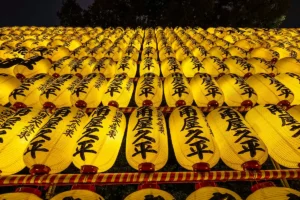
30,000 lanterns illuminated Yasukuni Shrine’s 2025 Mitama Festival. The festival honors those who died in wars defending Japan. For my visit, the main activity was photographing the mikoshi, or portable shrines, which play a significant role in Japanese festivals.

Read More »
kengai chrysanthemums
Shinjuku Gyoen Chrysanthemums in 2019

On a great day in 2019, I went to Shinjuku Gyoen for its annual chrysanthemum exhibit. The weather was perfect. Usually, it is so crowded. But this time, it wasn’t too crowded, so getting photographs of the flowers was easy. It was a very good day!

Read More »
Young girl riding father should with omikoshi
Sanja Matsuri 2018: Photos from Sensoji

2018 was the first time I visited the Sanja Matsuri on a Saturday. I had wanted to do that for many years, but work always interfered. It was a great day. The event was an eye-opener, as it taught me new things.

Read More »

Leave a Reply

Your email address will not be published. Required fields are marked *